
Add Your Heading Text Here
Behind every game, swim, workout, public event, and community gathering is a facility that must quietly do its job every day.
Recreation facilities are often judged by what people see first: a sheet of ice, a pool, a running track, a field house, or a weight room. These are the spaces that bring people through the doors. They are where children learn new skills, adults stay active, teams compete, and communities come together. But long before a puck drops, a lane rope is tightened, or a fitness class begins, the success of that facility depends on something less visible: maintenance.
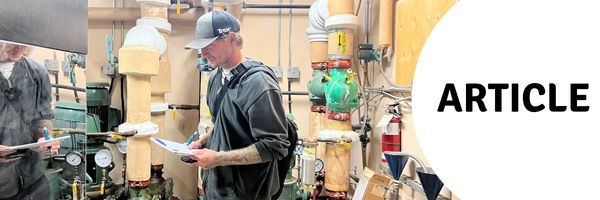
A recreation facility is not one single asset. It is a collection of major systems working together. The building itself includes the outer shell, roof, foundation, floor structure, doors, windows, and public spaces. Inside, offices, locker rooms, washrooms, mechanical rooms, heating, ventilation, air conditioning, plumbing, and electrical systems all support daily operation. These systems may not always be the main attraction, but they are the backbone of the facility.
The Building Comes First
If the roof leaks, the furnace fails, the power system cannot support demand, or the plumbing breaks down, the recreation program stops being the priority. Staff are forced into emergency response, users are inconvenienced, and the community loses access to a service it depends on. In simple terms, if the building fails, recreation fails.
The Purpose of the Facility
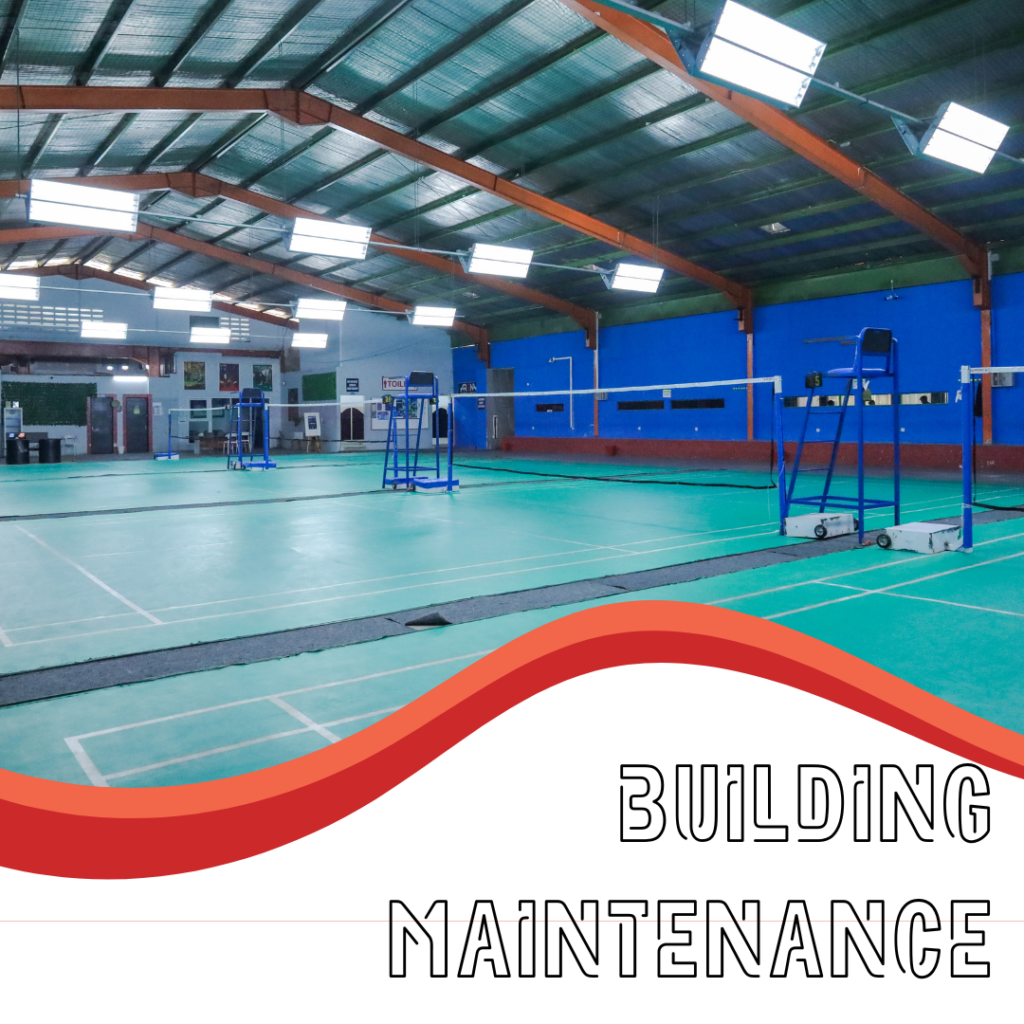
Once the building is sound, the specialized recreation infrastructure gives the facility its purpose. In an arena, that may be the ice plant, slab, boards, and arena floor. In an aquatic centre, it may be the pool basin, pumps, filters, chemical treatment system, and air handling equipment. Other facilities may rely on running tracks, event spaces, field houses, courts, fitness areas, or weight rooms.
These features are what users usually associate with recreation. They are also complex, expensive, and highly dependent on regular inspection and planned maintenance. If they fail, the building may still stand, but the experience people came for disappears.
Maintenance Is Community Service
Good facility maintenance is more than fixing what breaks. It is a planned approach to protecting public investment, extending the life of equipment, reducing risk, and keeping services reliable. Municipal asset management guidance in Canada emphasizes the importance of accurate information, lifecycle planning, risk management, and responsible decision-making when maintaining public infrastructure. For recreation facilities, that means knowing what assets exist, what condition they are in, what level of service the community expects, and when repair or replacement should be planned.
When maintenance is done well, most people never notice it. The lights come on. The dressing rooms are warm. The ice is ready. The pool water is safe. The doors open on time. That quiet reliability is the result of daily checks, preventative work, skilled staff, and long-term planning.
From Reactive Repairs to Planned Care
The most expensive maintenance is often the maintenance that was delayed. A small leak can become structural damage. A noisy pump can become a system shutdown. A minor electrical concern can become a safety issue. Planned maintenance allows teams to act before problems become emergencies, helping control costs and reduce service disruptions.
This shift from reactive repair to planned care is especially important for recreation facilities because their systems are closely connected. A mechanical failure can affect user comfort, safety, program scheduling, and revenue. A problem in one area can quickly create pressure across the whole operation.
Protecting Places That Bring People Together
Recreation facilities are more than buildings. They are gathering places, wellness spaces, emergency supports, competition venues, and community landmarks. Keeping them open requires attention to both the visible recreation features and the hidden systems that support them.
The arena ice, pool basin, field house, running track, and weight room may be the reason people visit, but the roof, foundation, plumbing, electrical, HVAC, and structural systems are what make those experiences possible. One set of assets gives the facility purpose; the other keeps that purpose alive.